


ESA GRATING
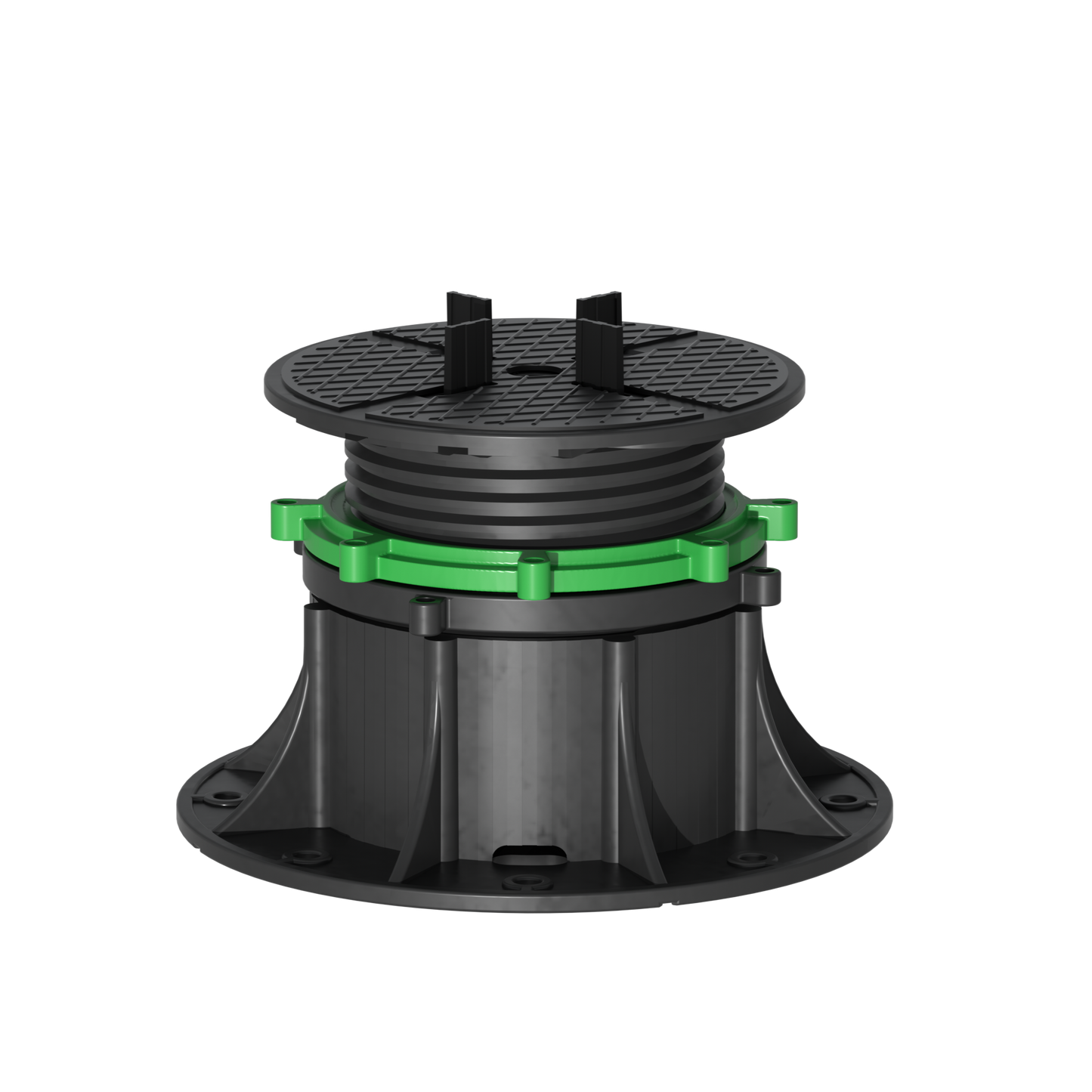
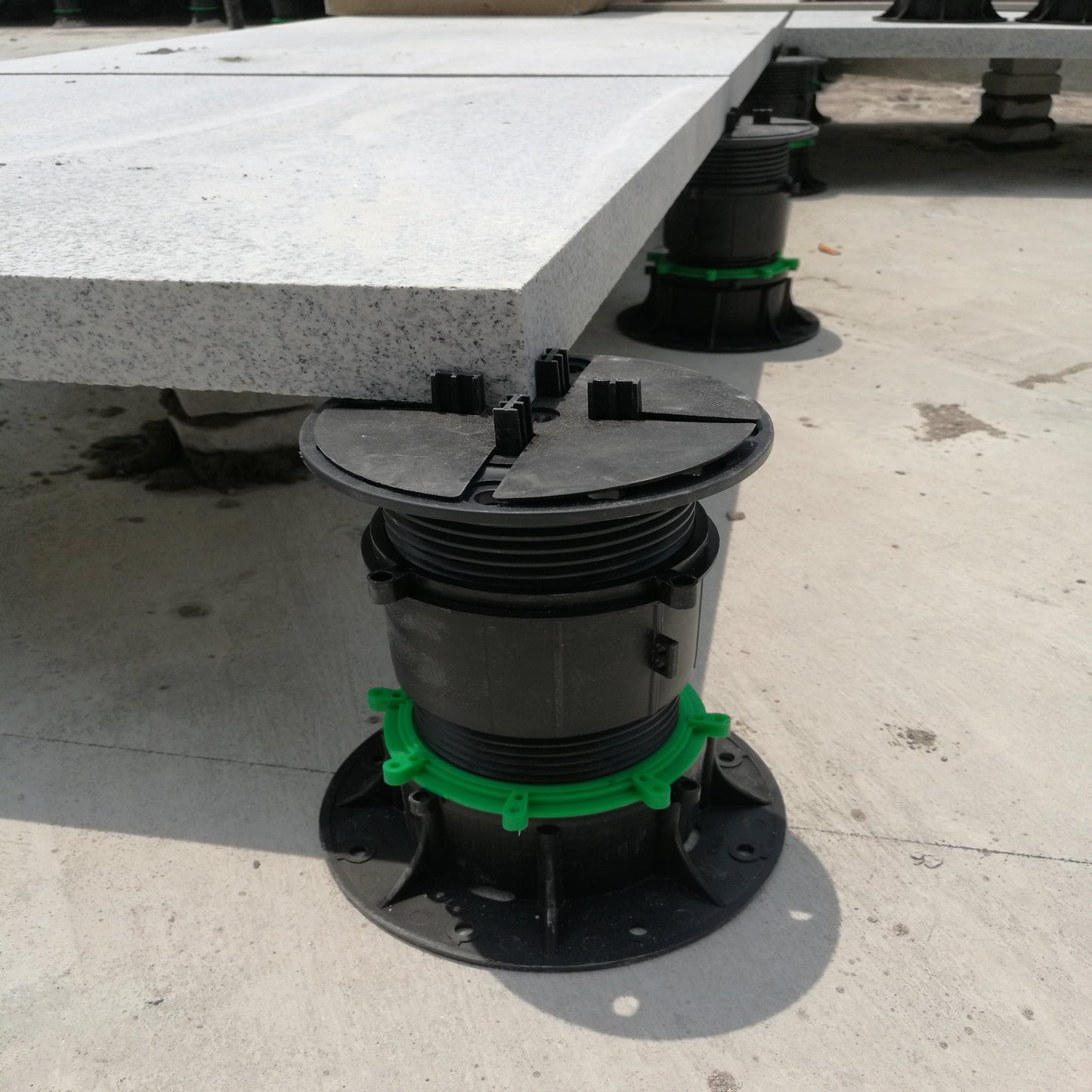
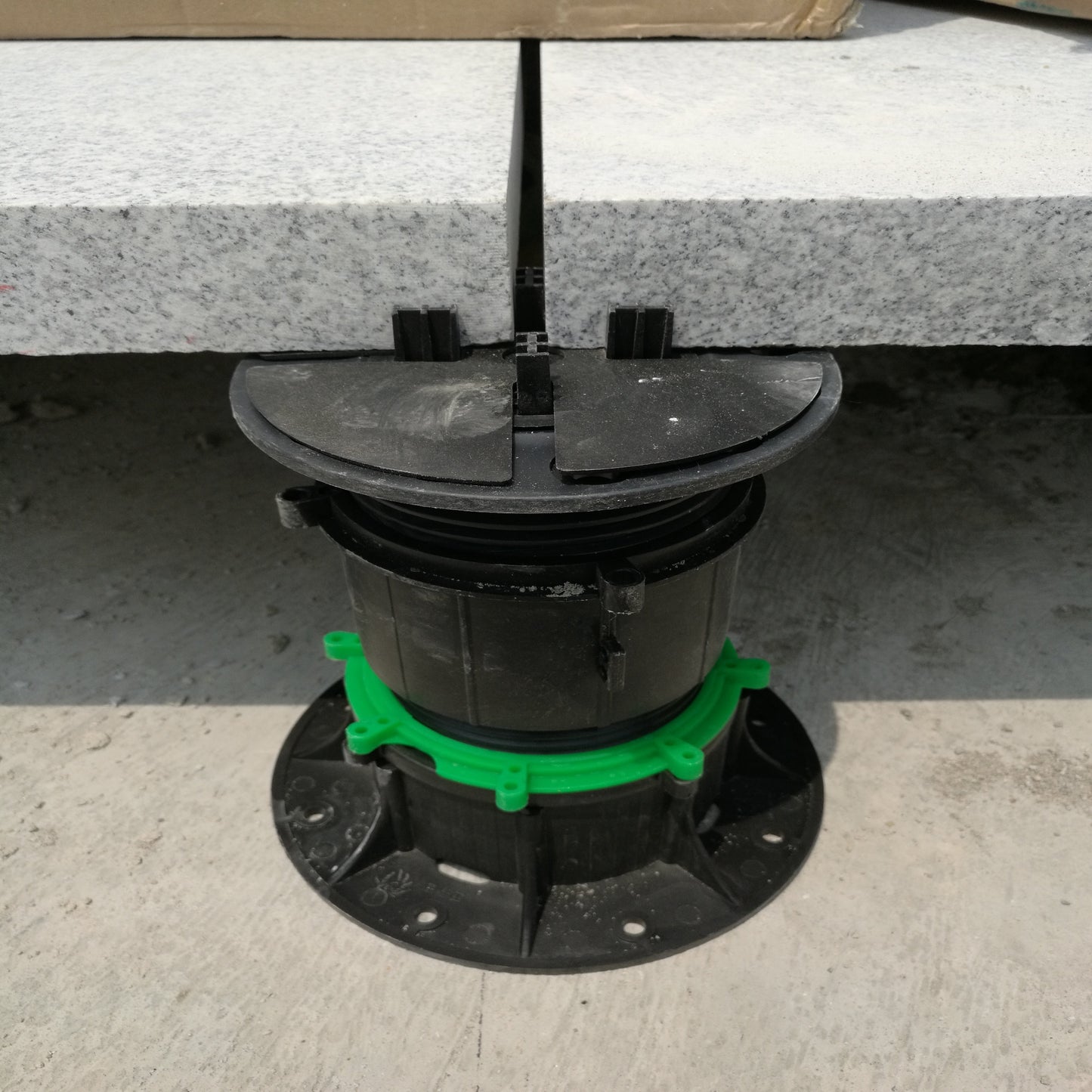
Adjustable Decking Tile Pedestal Deck Support for Courtyard Construction
Adjustable Decking Tile Pedestal Deck Support for Courtyard Construction
100 in stock
Couldn't load pickup availability





Product Description:
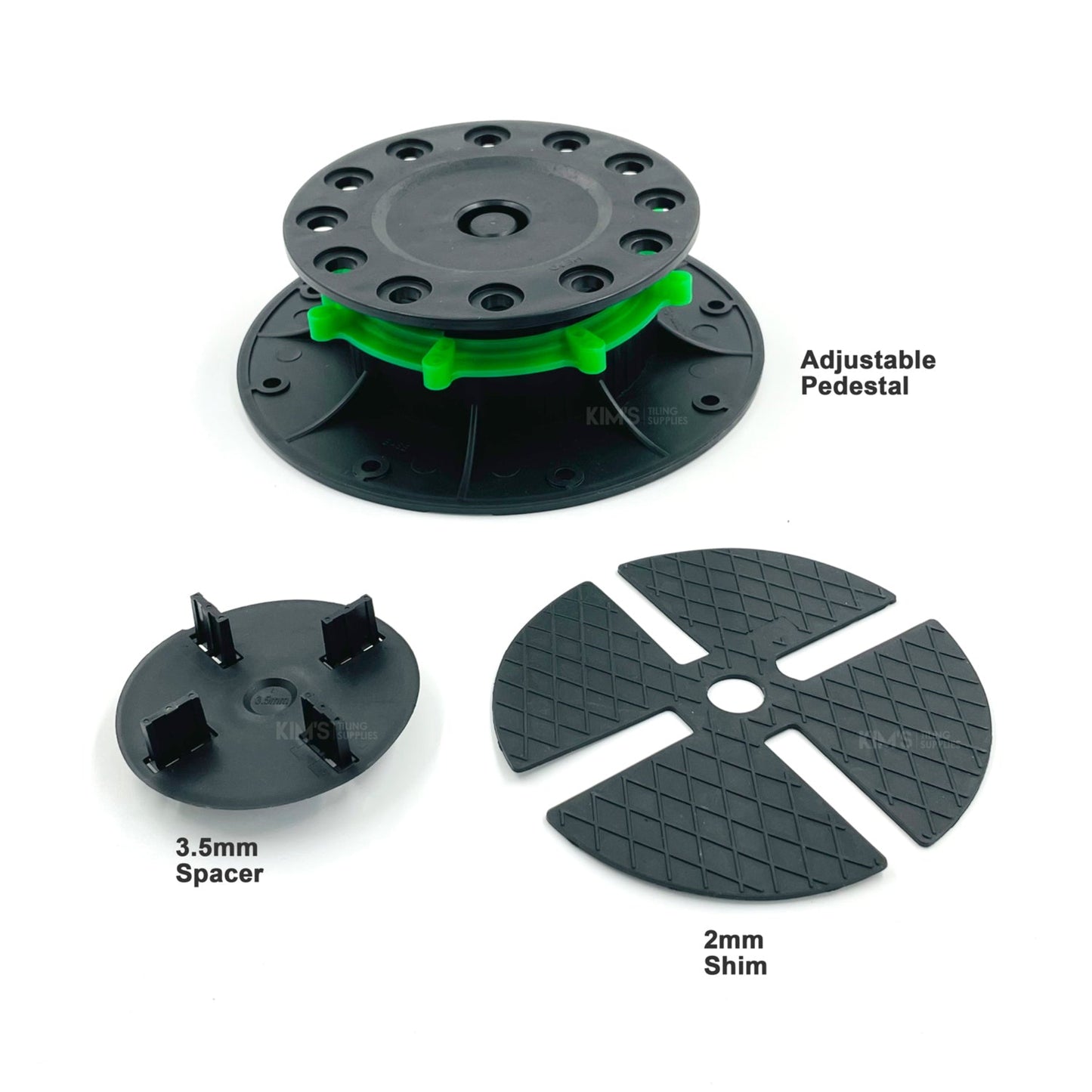
Adjustable Decking Tile Pedestal – Deck Support for Courtyard Construction (19-320mm)
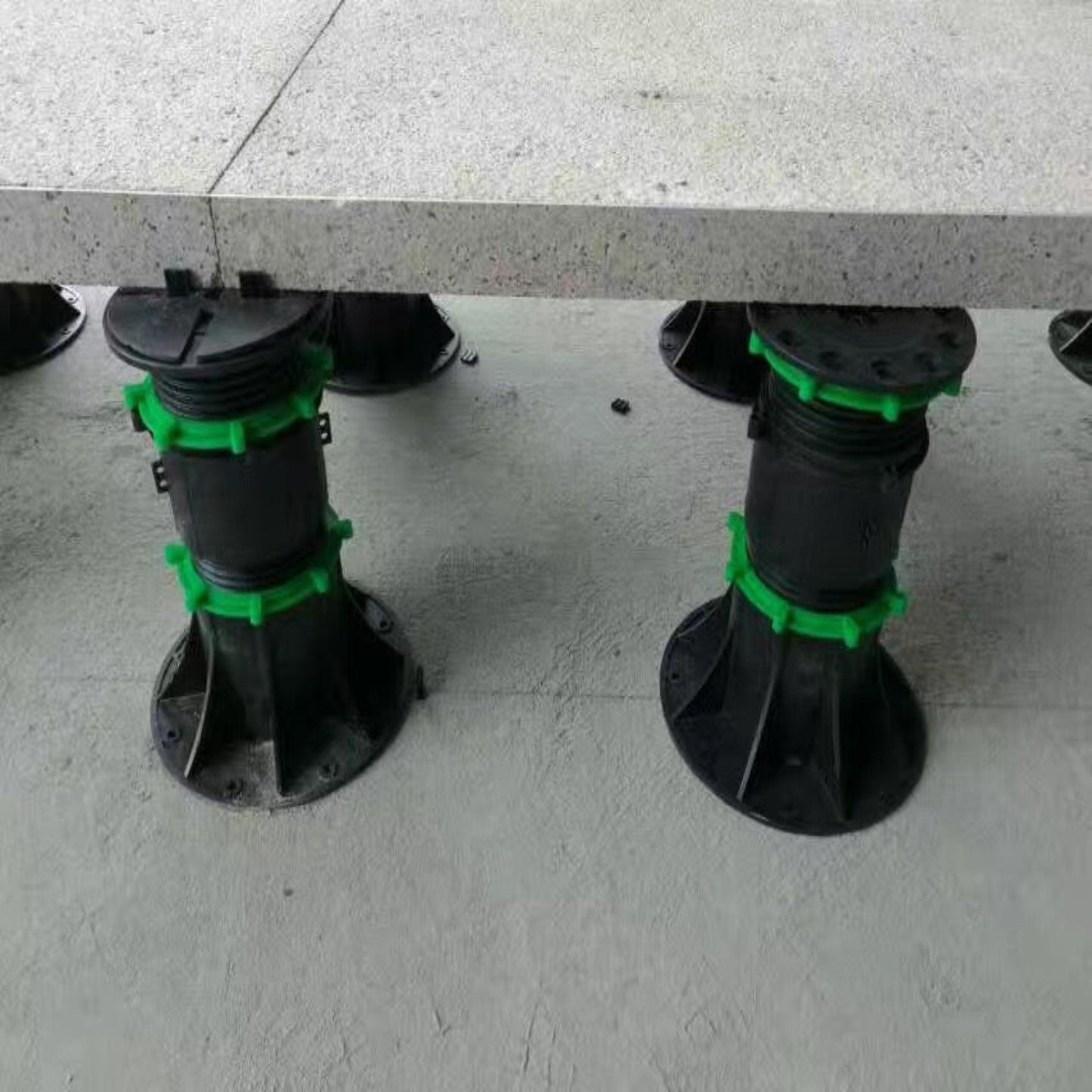
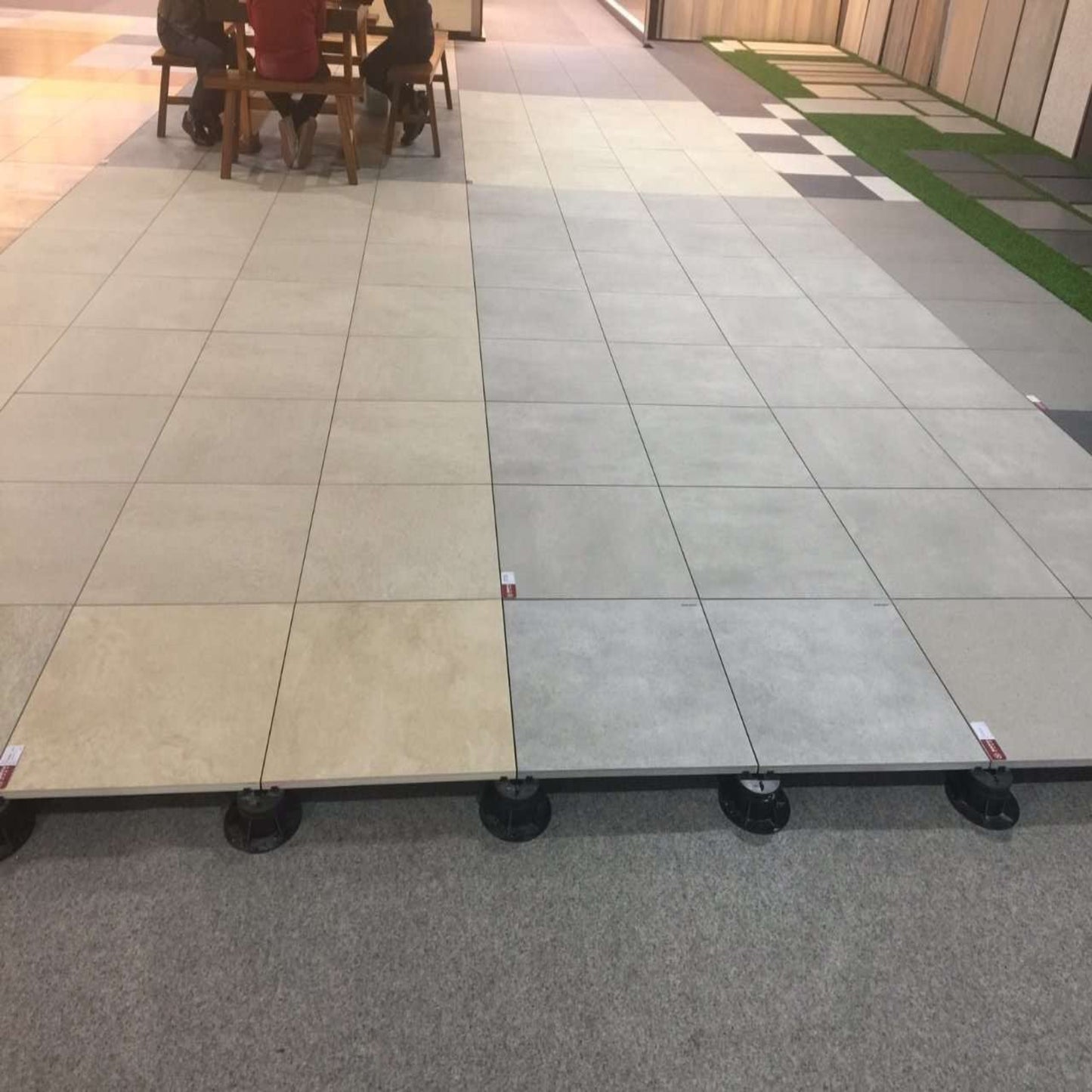
Engineered for precision and durability, these adjustable decking pedestals provide a reliable sub-structure solution for outdoor tiles, pavers, and decking boards. Ideal for courtyards, terraces, rooftop gardens, and balconies.
Key Features:
- Adjustable height range: 19-320mm to accommodate uneven surfaces and achieve a perfectly level deck
- Heavy-duty load capacity: Designed to support substantial weight for both residential and commercial applications,1.3 tons high loading capacity.
- UV & weather resistant: Made from high-strength polypropylene, resistant to moisture, frost, and UV degradation,insects and rot
- Noise-reducing design: Built-in acoustic pad minimises vibration and sound transmission
- Easy installation: Tool-free adjustment with a simple twist mechanism; compatible with most standard tile and decking formats
- Promotes drainage: Elevated design allows water to drain freely beneath the deck surface, preventing pooling and moisture damage
Suitable for: Porcelain tiles, natural stone, timber decking boards, composite decking, and FRP grating panels
Joist cradle adapters – for classic timber substructures or modern aluminium substructures
Stone adapters – for laying stone slabs

Frequently Asked Questions
How strong is FRP grating?
Fibergrate FRP has a high strength-to-weight ratio when compared to traditional materials like metal, concrete and wood. FRP gratings can even be strong enough to carry vehicular loads while weighing less than steel gratings.
Is FRP stronger than steel?
Glass FRP's strength-to-weight ratio is superior when compared to steel and aluminum but doesn't rank as high for stiffness-to-weight ratios. To meet stiffness requirements, CCG uses thicker glass fiber while retaining lighter part weight.
Which are the factors that influence properties of FRP?
Mechanical properties of FRP composites depend on the proportion of fibers and matrix materials, manufacturing methods, mechanical characteristics for constituent materials, and orientation of fibers through matrix.
Mainly raw material include
- Resin (corrosion resistance, hardness) Type: Ortho/ Iso / Iso food grade/ Vinylester/ Phenolic
- Glass fiber yarn (reinforced material, strength) Type: A-glass C- glass and E-glass
- Curing agent
- Accelerant
- Filler Type: Aluminum hydroxide/ Calcium carbonate/ No filler(pure resin)